

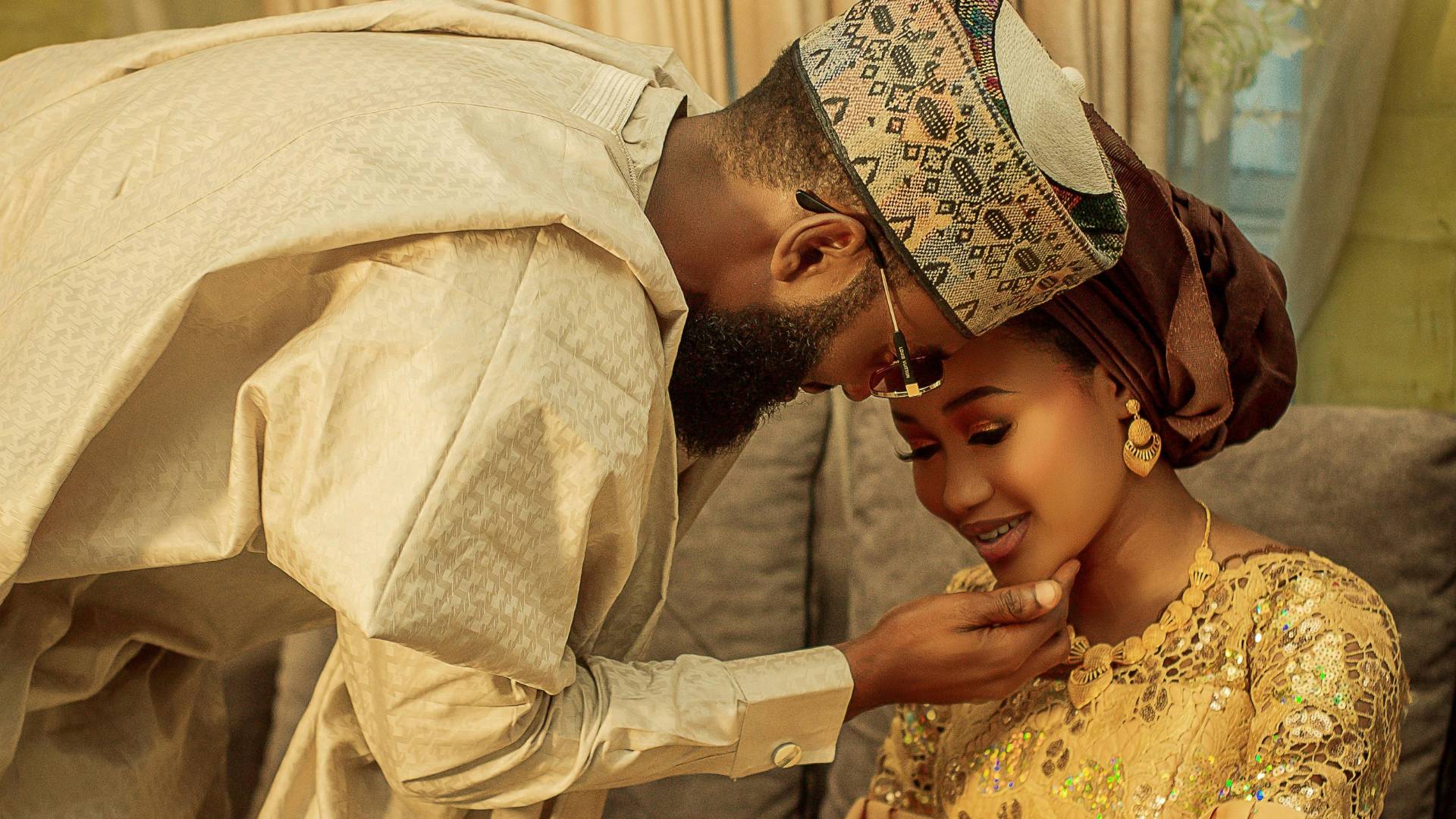
So, he finally popped the question, and you said yes, loud and clear! But before you start pinning dreamy white wedding ideas on Pinterest, there’s a huge cultural moment you need to tackle first: the Momi Mo e. The Yoruba introduction ceremony isn’t just some formality. It’s a big deal. Two families, two bloodlines, coming together. Suddenly, your relationship isn’t just yours anymore. It’s everyone’s business.
Are you ready for your fiancé to get on the floor in front of your elders while your aunties and uncles toss playful questions his way? This is the moment you stop being just a couple and officially become in-laws. If you don’t want the day to turn into a logistical headache, you need a proper and complete Yoruba introduction ceremony checklist. Trust me, you want more laughter than stress.
The Complete Yoruba Introduction Ceremony Checklist
The Yoruba introduction ceremony is really the first “official knock.” The groom’s family comes over and asks, in the most traditional way, for the chance to start the marriage journey. The whole place bursts with color, laughter, and those classic Yoruba jokes.
If you’re like most couples, you’re probably wondering: How do we mix tradition with our own style? Who actually decides what goes on the Engagement List? And, let’s be real, how do we keep both sets of parents happy without inviting half the town? To help you pull it all off with style (and your sanity intact), here’s a Yoruba introduction ceremony checklist that covers every tradition and detail. You’ll step into this new family phase proud and prepared.
Pre-Ceremony Talks
Let’s get your big day rolling the right way. Here’s how the pre-ceremony talks usually unfold, a pretty important part of the Yoruba introduction ceremony. This stage really brings the two families together and sets the mood for everything that follows. If you use this Yoruba introduction ceremony checklist, you’ll keep things smooth and organized, even as everyone starts asking those big, exciting questions about your future.
Before you even think about décor or food, both families need to get on the same page. It always starts with a few casual conversations, just you, your partner, and your parents. Here’s where you hash out possible dates, pick a venue (usually the bride’s family home), and decide how big or small you want the day. Cozy and simple, or a full-on mini-wedding under a tent. The choice is yours.
- First Meetings: Before the main event, both of you should spend some real time with each other’s parents, just to break the ice and get comfortable.
- Intent Visit: Next, the groom needs to pay an informal visit to the bride’s parents. This isn’t the main ceremony yet, but it’s where he makes it clear. He wants to marry their daughter. Folks call this the “pre-introduction.”
- Picking the Date: Sit down with both families’ elders and agree on a date that works for everyone important.
- Getting the List: The groom’s family should ask for the introduction checklist or “engagement list” from the bride’s side. This is the starter pack for all the items and gifts they’ll need to prepare.
- Event Size: Decide together how big you want things. Are you thinking something small and cozy, or a big bash with canopies and a crowd?
- Guest List: Start with immediate family, then add those key uncles, aunts, and anyone else who really needs to be there.
- Budget: Set a clear budget that covers everything; catering, decorations or venue (if you’re not doing it at home), and all the traditional gifts.
- Outfits: The couple should pick out their outfits. Usually, this means choosing a fabric or color (Aso-Ebi) that makes them stand out together.
- Logistics: Make sure the groom’s family has transport sorted, and get the bride’s home ready for extra guests. You want everyone to feel welcome and the day to flow without hiccups.
What Does The Groom’s Family Bring to the Yoruba Introduction Ceremony?
The groom’s family has most of the “work” on this day. In Yoruba culture, the groom’s family shows up as the “visitors” who have to prove they’re worthy through some pretty meaningful gestures. There’s no one-size-fits-all complete Yoruba introduction ceremony checklist. Each family has its own rules, but the groom’s side needs to be ready to meet every request the bride’s people throw at them. This is their big chance to show just how excited they are about the marriage, and you can feel it.
Every gift on that checklist isn’t just for show. It’s about joy, generosity, and respect. They show up with symbolic gifts, even though the full Engagement List comes later at the traditional wedding. Here’s the basic Yoruba introduction checklist for gifts:

- Fruit baskets come first. Always in pairs. Odd numbers just don’t sit right in most Yoruba homes. People see them as incomplete or even unlucky. So you want at least two baskets, piled high and looking impressive.
- Then there’s the drinks. Good wine or schnapps works for most. If the bride’s family prefers no alcohol, then high-end sparkling juices do the trick. The main thing is, you’re coming with something nice for toasts and blessings.
- Don’t forget the proposal letter. This one’s non-negotiable. The groom’s family writes a formal letter, usually with beautiful calligraphy, officially asking for the bride’s hand. It’s a big deal and absolutely essential.
- Money gifts come next. You’ll need envelopes with cash, clearly labeled for different groups, like the gatekeepers (Olopa Iju), the kids, and the elders. Each group gets its due, and everyone knows what’s in each envelope.
- Then there’s the bride’s list, called the preliminary Eru Iyawo. This whole process is really about the bride’s family traditions, so before you go shopping, make sure you have the complete, customized list. No guessing allowed.
How you present all this matters too. The groom’s family usually dresses in coordinated outfits, aso ebi—same color, same fabric—to show they’re united. When they walk into the bride’s home, it sends a clear message: “We’re here together.”
And one last thing, the spokesperson, or Alaga Iduro. Even if it’s a small gathering, you need someone who can speak well, handle the traditional back-and-forth, and make sure the groom’s family comes across just right. That role is key for navigating all the customs and keeping the mood light. However, it is not compulsory.

How does the Bride’s family get ready?
In Yoruba culture, the bride’s family really sets the tone for the whole day. Their effort and attention to detail shape the atmosphere of the Yoruba introduction ceremony, and guests can feel it the moment they walk in. The point is to make everyone feel welcome, to show off a sense of plenty and pride, and to let the visiting family know their daughter grew up in a home that cares about tradition and quality. If you stick to a solid Yoruba introduction ceremony checklist, you won’t miss a thing. From making sure the elders have the best seats to getting the right amount of pepper in the stew.
Let’s talk about the real heart of a Yoruba introduction ceremony: the food. In a Yoruba introduction ceremony, nothing speaks louder than a packed table. Your Yoruba introduction checklist of food has to include classics like Pounded Yam (Iyan), Amala with Abula, and that crowd-pleasing party Jollof Rice. Skimping here isn’t an option. Along with the main dishes, keep plenty of drinks and small chops coming, especially while the two families are exchanging those lively, sometimes hilarious, formal greetings.
Now, don’t underestimate the power of a good seating arrangement. You want the elders, on both sides, front and center, comfortable and respected. Where people sit means something. It shows you understand the hierarchy and you honor it. Then comes the formal stuff. After the groom’s family puts their proposal on the table, your side needs to reply in style. This is where the acceptance letter comes in. Write it with care, and have a younger family member read it out loud near the end. It adds a special touch and wraps up the ceremony’s official part.
Probably the most anticipated moment for the groom’s side is getting the Eru Iyawo list, the official Yoruba engagement list. The bride’s mom and aunts usually put this together, and everyone looks forward to it. It signals the next big step.
Finally, while not every family does this, sending guests home with small souvenirs or takeaway packs is a thoughtful gesture. It’s a way to say thank you and to make sure they remember your family’s warmth long after the day is over.
Who Does What (Traditional Roles) During A Yoruba Introduction Ceremony
Even if you want to keep things low-key, you still need the right people around. It’s not just about family, but the folks who know the traditions and how things are supposed to run.
- Alaga Iduro and Alaga Ijoko are your MCs. One stands, one sits. They keep the room buzzing and make sure both families get their voices heard.
- Then you’ve got the family spokespersons. The elders step up, introduce their side, share a bit of family history, and really set the scene.
- Usually, the youngest member, often a kid or young adult from the bride’s side, reads out the proposal letter.
- Talking drummers? Totally optional, but honestly, they bring so much hype and color to every entrance that it’s hard to imagine the event without them.
The Order of Events During A Yoruba Introduction Ceremony
If you want the day to go off without a hitch, throw together a simple program for your Yoruba introduction ceremony. It keeps everyone, especially the Alagas, focused so nothing important gets missed.
Kick things off with opening prayers. Usually, an elder or religious leader handles this. Then comes the big introduction. The heads of both families stand up and introduce their people, uncles, aunts, siblings, and anyone who matters. After that, it’s proposal time. The groom’s family brings out their letter, and the groom goes all in, full prostration, no shortcuts.
Next up, the grilling. It’s lighthearted but meaningful. The bride and groom answer some playful questions. Just making sure everyone’s on the same page about this love thing. Afterward, the handover happens. The bride’s family gives over the official Engagement List, spelling out what’s expected for the main event.

Finally, it’s time to eat. Once the closing prayers are done, everyone digs in. Good food, music, laughter, and plenty of mingling to cap off the day.
Wrapping up, a Yoruba introduction ceremony isn’t just about checking things off a list. It’s really about celebrating the tradition that ties two families together for life. Sure, the details matter, the food, the gifts, the formalities, but at its core, it’s all about the respect, the laughter, and the shared happiness in the room.
Go through your checklist so you don’t miss a beat, but don’t lose sight of what really matters: the couple stepping into a new chapter, surrounded by love and the approval of their families. The Yoruba introduction ceremony sets the stage for everything that follows. The greetings, the playful teasing, the exchange of letters. These moments remind everyone that marriage in Yoruba culture means joining a whole community, not just two people.
Once you’ve ticked every box and both families are in sync, you’re ready. The foundation is set. With everyone’s blessing, you can walk into your traditional wedding with real confidence, knowing you’ve honored something bigger than yourselves.
Till I come your way again, don’t forget to subscribe to Doyin’s Honest Notes and enjoy a drop of honey for your day…
Originally published by HoneyDrops Blog.