

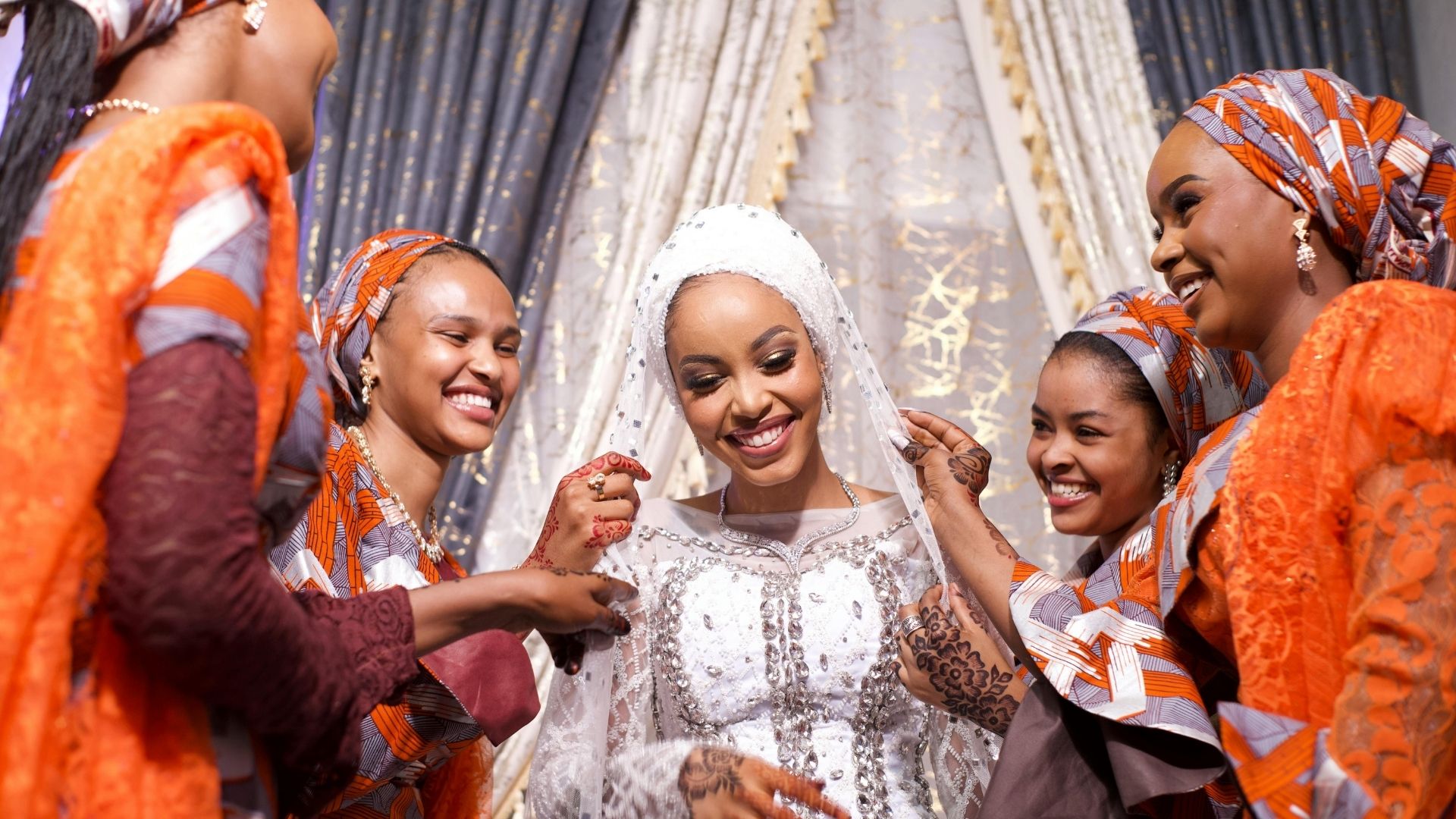
A traditional Hausa wedding is one of the most graceful, elegant, and culturally layered experiences in Nigeria. It is not just a union of two people; it is a merging of families, histories, and centuries-old customs that still hold deep meaning today. When people talk about romance and celebration in Northern Nigeria, they often imagine the fragrance of incense, the soft music of cultural instruments, the rustle of wrappers, and the beauty of henna designs. All of these elements blend into an unforgettable journey filled with honor, respect, and joy.
For many families, Hausa wedding planning is a sacred responsibility. It is a moment when elders pass down wisdom, where communities gather in support, and where young women step into new chapters surrounded by love and blessings. But because the traditional Hausa wedding involves multiple stages, rituals, and expectations, preparing for it without guidance can feel overwhelming. This is why a detailed Hausa wedding checklist is essential for anyone organizing this beautiful event.
Understanding the Hausa Marriage Tradition
Every cultural practice within a traditional Hausa wedding reflects the values of modesty, respect, and community. Unlike certain modern weddings that focus only on aesthetics, Hausa marriages prioritize character, family roles, and religious grounding.
Marriage is seen as a blessed covenant. Families look at behavior, reputation, upbringing, and religious devotion. Islam plays a major role in shaping the rituals, especially the Fatiha, which is the religious ceremony that makes the marriage official.
Key Cultural Foundations of Hausa Wedding Planning
To understand the Hausa wedding checklist in full, you must first understand the cultural principles guiding it.
• Family First: The decisions involve parents, uncles, aunties, and sometimes grandparents.
• Respect: Elders lead conversations, negotiations, and final decisions.
• Modesty: Weddings emphasize decency in dressing, celebration, and conduct.
• Community: Neighbors, friends, and relatives contribute to preparations.
With these values in mind, let’s walk through the entire Hausa wedding checklist from start to finish.
The Complete Hausa Wedding Checklist
This guide takes you step-by-step through every stage with the warmth and clarity you would get from a helpful auntie or a well-experienced elder. We’ll break down the cultural meaning behind each ritual, explain what every family does, and show you practical ways to stay organized. Whether you’re a bride, a groom, or a family member involved in Hausa wedding planning, this article will help you navigate the traditions with confidence and joy.

1. The Gaisuwa Stage (Family Greetings and Introduction)
This is the first official step where the groom’s family visits the bride’s family to express interest respectfully. It is polite, simple, and usually informal. The purpose is to create familiarity and open the door for discussions.
Practical considerations during this stage include
• Informing elders early
• Preparing refreshments for guests
• Choosing a convenient date for both families
• Keeping the atmosphere warm and respectful
Although simple, this step sets the foundation for everything that follows.
2. Na Gani Ina So (Seeking Approval and Confirming Intentions)
This stage translates to “I have seen, and I want.” It is one of the most important steps in the traditional Hausa wedding. The groom’s family formally states their intention to marry the bride, and the bride’s family gives a response.
This moment is filled with respectful conversation. Elders ask questions about values, background, and readiness for marriage. The bride often expresses her consent too.
You can prepare by
• Having elders present
• Clarifying expectations for both families
• Ensuring the bride is emotionally ready and comfortable
This stage marks the official acceptance of the union.
3. Kayan Zance (Gift Presentation Before the Wedding)
This is one of the most beautiful parts of Hausa wedding planning. The groom presents symbolic gifts to the bride. These gifts may include
• Perfumes
• Beautiful wrappers
• Jewelry
• Scarves or veils
• Soaps, creams, and pampering items
• Sometimes food items like dates, sugar, or fruits
Kayan Zance shows that the groom values the bride. The gifts are not about luxury; they are about honor and gentleness.
Tips for this stage
• Pack gifts neatly in baskets or decorated trays
• Ensure items reflect quality and intention
• Include modest, elegant beauty products
• Avoid overly extravagant or showy items
4. Negotiation and Payment of Sadaki (Bride Price)
The Sadaki is the bride price given according to Islamic guidelines. It is intentionally modest because it symbolizes honor, not financial worth. Many families accept a token amount, sometimes as small as a few naira, because the gesture is more important than the value.
During this stage
• Elders negotiate respectfully
• The groom’s family presents the agreed amount
• An Imam or elder oversees the process
Sadaki highlights humility and spiritual meaning.
5. Kayan Lefe (Full Bridal Gifts from the Groom)
Kayan lefe is more elaborate than kayan zance. It includes all the items the bride will need in her new home: clothing, cosmetics, household items, shoes, handbags, and accessories.
Modern brides often choose their styles to ensure the items match their preferences.
Checklist for Kayan Lefe
• A variety of wrappers
• Shoes and matching handbags
• Bridal jewelry sets
• Skincare and makeup items
• Hijabs, scarves, modest outfits
• Household items like bedsheets and home essentials
Families often display kayan lefe beautifully for guests to admire.
6. The Laali Ceremony (The Henna Night)

The laali ceremony is one of the most anticipated moments of a traditional Hausa wedding. The bride sits surrounded by female relatives, professional henna artists, music, laughter, and celebration. Henna designs decorate her hands and feet, symbolizing beauty, joy, fertility, and readiness for marriage.
What to prepare for this ceremony
• A skilled henna artist
• Decorative fabrics and pillows for the bride
• Photographers and videographers
• Small refreshments for guests
• A beautiful outfit for the bride for the occasion
The atmosphere is soft, festive, and feminine.
7. Kamun Amariya (Symbolic Capture of the Bride)
This traditional ceremony represents the transition of the bride from her parents’ home into the custody of the groom’s family. Female relatives “capture” her in a playful negotiation ritual where the groom’s family must offer payment to release her.
Even though symbolic, it is filled with fun, music, and laughter.
Checklist for Kamun Amariya
• Elders to lead the playful negotiation
• Bridesmaids or sisters to accompany the bride
• A symbolic financial token from the groom
• Music and dancing
It is one of the liveliest stages in Hausa wedding planning.
8. The Fatiha (The Official Marriage Contract)
The Fatiha is the heart of the entire Hausa wedding checklist. It is the religious ceremony that makes the marriage official. The Imam oversees the contract with both families present.
During the Fatiha
• The groom or his representative accepts responsibility
• Witnesses are present
• The Sadaki is officially acknowledged
• Prayers are offered for a blessed marriage
This ceremony is usually simple, brief, and held in a mosque or family compound.
9. The Wedding Reception or Walima
After the Fatiha, families and guests gather for the Walima. Depending on the family’s preference, it can be small, moderate, or grand. Guests eat, drink, dance, and celebrate the new couple.
Walima checklist
• Catering for guests
• Music or traditional performers
• Seating arrangement
• Photography and videography
• Bridal and groom outfits
• Programs for the reception
• Cultural displays if desired
The goal is to celebrate joyfully without extravagance.
10. The Bride’s Homecoming and After-Marriage Traditions
In some Hausa communities, after the bride settles into her new home, elders visit to bless the home and offer guidance. The bride may also be accompanied by close female relatives who help her settle in during the first few days.
Checklist for after-marriage traditions
• A small gathering of elders
• Prayers for peace and prosperity
• Gifts for the couple’s new home
• Female relatives offering support and wisdom
This stage emphasizes community love and continued togetherness.
Practical Hausa Wedding Planning Tips
To make your traditional Hausa wedding smooth and fulfilling, here are practical tips that help every family.
1. Start Early
Most families begin Hausa wedding planning months ahead. Early planning reduces stress and prevents last-minute complications. Starting early also allows you to follow every step of the Hausa wedding checklist without rushing important cultural rites. It gives both families enough time to prepare, consult elders, and honor traditions properly.
2. Budget Wisely
Although traditions emphasize modesty, weddings can become expensive if not carefully managed. Write down every cost and stick to your plan. A clear budget also ensures your traditional Hausa wedding stays focused on meaning rather than unnecessary luxury. Financial discipline helps prevent family pressure and keeps the celebration elegant yet manageable.
3. Let Elders Lead
The traditional Hausa wedding is guided by elders. Allow them to direct negotiations, cultural decisions, and sensitive conversations. Their involvement ensures every step aligns with customs outlined in your Hausa wedding checklist. When elders guide the process, both families feel respected, and misunderstandings are minimized.
4. Keep Communication Open
Clear communication between both families prevents misunderstandings. Let every major decision go through the appropriate family members. Open dialogue is essential in Hausa wedding planning to ensure all cultural and religious expectations are honored. Consistent communication also strengthens trust between families, making the journey smoother.
5. Prioritize Religious Rites
Islamic guidelines shape many parts of the ceremony. Keep religious significance above every external display. By focusing on the spiritual aspects, you maintain the authenticity of a traditional Hausa wedding. Prioritizing these rites ensures that your Hausa wedding checklist stays aligned with faith, values, and moral expectations.
6. Focus on What Truly Matters
A Hausa wedding is not about showing off. It is about honor, family unity, blessings, and cultural pride. Keeping this in mind ensures your decisions reflect the heart of Hausa wedding planning rather than societal pressure. When you focus on meaning, the celebration becomes genuinely memorable and grounded.

7. Document the Journey
Hire good photographers and videographers to capture each beautiful stage. Every stage of the traditional Hausa wedding—from introductions to religious rites—deserves to be preserved. Documentation helps future generations appreciate the steps on the Hausa wedding checklist and the beauty of the traditions.
8. Balance Modern and Traditional Elements
Many couples combine contemporary aesthetics with timeless Hausa customs. Choose what reflects your identity. This balance creates a celebration that honors heritage while still feeling personal and stylish. When thoughtfully handled, it elevates your Hausa wedding planning and makes the ceremony meaningful for both older and younger generations.
A traditional Hausa wedding is more than an event; it is a beautifully choreographed journey of respect, faith, and family. Each stage of the Hausa wedding checklist carries deep meaning that connects the couple to generations before them. Whether simple or elaborate, every ritual celebrates dignity, culture, and spiritual blessings.
With thoughtful Hausa wedding planning, a supportive family, and a clear understanding of each stage, your ceremony can be smooth, joyful, and unforgettable. The beauty of a Hausa wedding lies not in extravagance but in the grace, honor, and love shared between both families. As the couple steps into their new life together, they carry the blessings of their ancestors and the goodwill of their entire community.
Till I come your way again, don’t forget to subscribe to Doyin’s Honest Notes and enjoy a drop of honey for your day…
Originally published by HoneyDrops Blog.