

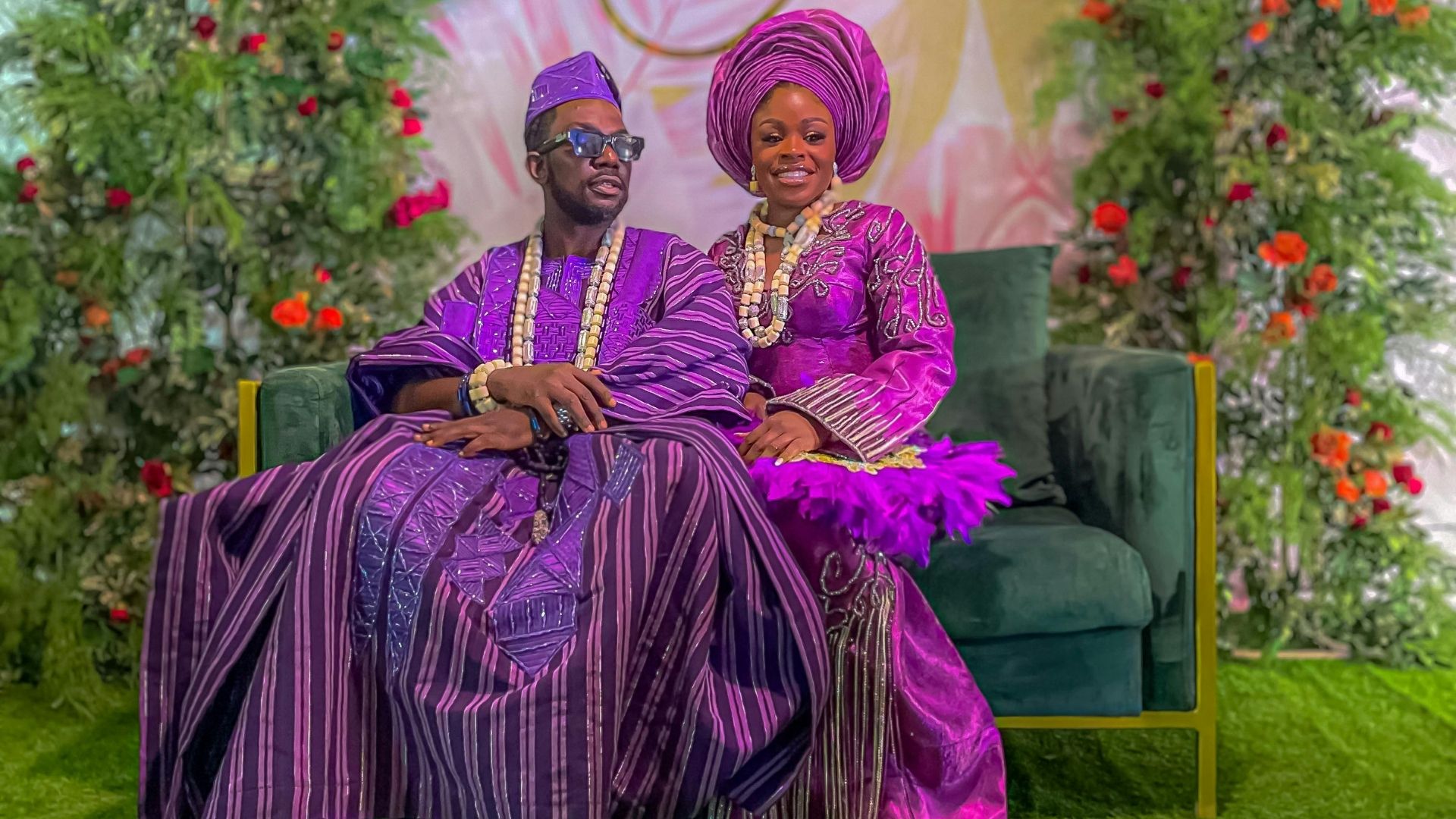
A traditional Yoruba wedding is more than a ceremony. It is a cultural celebration rooted in history, family honor, and community joy. For many couples, planning a traditional Yoruba wedding represents a moment where heritage meets modern love. The process involves rituals, coordinated family roles, symbolic items, and a vibrant series of events that honor the couple’s journey. Because of these layers, many couples find themselves searching for a reliable Yoruba wedding checklist to follow from start to finish.
A traditional Yoruba wedding often includes the introduction, the Yoruba engagement ceremony (Ìgbéyàwó or traditional), and the white wedding. However, the Yoruba engagement ceremony is the soul of the celebration. Yoruba customs place huge emphasis on respect, lineage, blessings, and cultural meaning. Each item, from the engagement letter to the bride price presentation, carries deep symbolism that reflects the values of the Yoruba people.
Yoruba wedding planning can feel overwhelming without structure. This guide offers a complete, detailed Yoruba wedding checklist that simplifies your journey and ensures that every important detail is honored. Whether you’re having a fully traditional wedding or blending cultures, this list will help you plan with confidence.
Quick 12 Step Yoruba Wedding Checklist
Planning a traditional Yoruba wedding is a beautiful journey filled with culture, symbolism, and deep family involvement. A well-structured Yoruba wedding checklist helps you stay organized while honoring every meaningful detail. Here is a quick 12-step guide to support your Yoruba wedding planning from start to finish.
1. Meet the Families (Mo mi Mo e)
The first and most important step in a traditional Yoruba wedding is the formal introduction of both families. It is also known as ‘Mo mi mo e’. This meeting sets the tone for blessings, acceptance, and future collaboration. It’s where parents discuss intentions, cultural expectations, and the overall direction of the union. This step is foundational in any Yoruba wedding planning process.
2. Decide on the Date
Choosing the wedding date requires both spiritual and practical consideration. Families often consult calendars, religious leaders, or elders for auspicious dates. Because Yoruba weddings involve many people traveling and preparing, selecting the right day early is essential for your Yoruba wedding checklist.
3. Agree on the Bride Price (Dowry Items)
The dowry list, commonly called Eru Iyawo, includes symbolic gifts such as kola nuts, alligator pepper, yams, wine, and clothing. Negotiating these items respectfully is an important part of traditional Yoruba wedding customs. This step ensures cultural honor while keeping the budget clear for both families.
4. Choose Your Wedding Vendors
From the Alaga Ijoko and Alaga Iduro (the ceremonial MCs) to photographers, caterers, makeup artists, and décor teams, your vendors bring the event to life. Selecting experienced professionals familiar with Yoruba wedding planning will help you maintain authenticity, timing, and cultural flow.
5. Prepare the Engagement Letter (Eru Iyawo List)
The groom’s family presents an engagement letter, symbolizing respect and intention. This letter follows a traditional format and is read aloud during the ceremony. Including this in your Yoruba wedding checklist ensures everything flows smoothly during the Engagement (Igbeyawo).
6. Choose Traditional Outfits (Aso Oke or Lace)
Attire is one of the most memorable aspects of a traditional Yoruba wedding. Couples often choose coordinated Aso Oke or lace fabrics. Accessories like gele, fila, and beads complete the royal look. Outfits should be fitted and ready early to avoid last-minute stress in your Yoruba wedding planning.
7. Select Aso Ebi for Family and Friends
Aso Ebi unifies guests and adds color to your ceremony. When planning, choose fabrics based on your theme, budget, and availability. Sharing this early helps everyone prepare. This step is crucial in any modern Yoruba wedding checklist.
8. Book the Ceremony Venue
Your venue should comfortably accommodate both families, dancers, drummers, and the elaborate traditional setup. Whether you choose a hall or family compound, confirm availability early. Venue selection is a major part of Yoruba wedding planning, affecting photography, décor, and logistics.
9. Plan the Engagement Ceremony Program
The Alaga leads the ceremony, but having a general program outline ensures smooth transitions—like the entrance, prayers, bride price presentation, blessings, and couple dances. A structured program is essential in any traditional Yoruba wedding to maintain cultural flow and timing.

10. Organize Food and Drinks
Food reflects Yoruba hospitality. From jollof rice and asaro to small chops and local drinks, catering must be abundant and well-coordinated. Good food brings joy and comfort to guests, making this a vital part of your Yoruba wedding checklist.
11. Arrange Music and Traditional Drummers
Music speaks to the soul of Yoruba culture. Live drummers, talking drums, singers, and DJs keep the atmosphere lively. The couple’s entrance, family dances, and prayer moments all depend on skilled performers who understand traditional Yoruba wedding rhythms.
12. Capture the Memories
Hire photographers and videographers who understand Yoruba ceremonies. They know the key moments. Moments like the kneeling rituals, blessings, and symbolic gift exchanges—to capture. This step helps preserve your Yoruba wedding planning efforts and the cultural beauty of your day.
How to Plan Your Traditional Yoruba Wedding
To start, create a clear checklist, like the one above, that covers every aspect, from attire and engagement rites to venue selection and guest arrangements. Include family elders in the planning process, as their guidance is essential for maintaining cultural authenticity.
Budgeting and logistics are equally important. Plan for colorful Aso-Oke fabrics, gele styles, traditional foods, and cultural entertainment that reflect the rich Yoruba heritage. Incorporate rituals like the introduction ceremony, payment of bride price, and presentation of gifts to honor family customs. With careful organization, attention to detail, and respect for tradition, your Yoruba wedding will be a memorable celebration of love, unity, and culture.
1. Pre-Planning Stage
The pre-planning stage for a Yoruba traditional wedding sets the foundation for a smooth and memorable celebration. At this stage, couples begin by defining their vision, budget, and guest list while considering family expectations and cultural traditions. Key tasks include selecting the wedding date. By investing time in thoughtful pre-planning, couples ensure that the wedding reflects both their personalities and Yoruba cultural heritage, while minimizing stress as the big day approaches.
Define Your Vision
Before diving into the activities, couples must clarify the kind of celebration they want. Yoruba weddings can be small and intimate or grand and elaborate. Discuss:
- Guest size
- Budget
- Whether the traditional engagement will be separate or same day as the white wedding
- Modern vs. strictly traditional aesthetic
Many Yoruba couples combine cultural authenticity with contemporary décor. Clarifying these expectations early prevents misunderstandings later.
Set a Budget
Your wedding budget influences every part of your Yoruba wedding planning. Consider:
- Outfit costs for the bride and groom
- Family outfits (Aso Ebi)
- Venue
- Engagement ceremony decor
- Live band or talking drummers
- Videography and photography
- Catering
Traditional ceremonies can become expensive because they involve extended family participation. Allocate funds realistically and track expenses with a spreadsheet or planning app.
Choose the Date & Preliminary Guest List
Your date determines vendor availability. Yoruba weddings often attract large guest numbers due to family expectations. Draft a guest list early to decide:
- Venue size
- Catering needs
- Aso Ebi quantity
In Yoruba culture, family presence is extremely important, so expect contributions from both sides when deciding guest invitations.

2. The Introduction (Mọ́mi mọ́ e or Door-Knocking)
The introduction is the first formal meeting of both families. It may be a simple home gathering or a small event venue gathering.
Checklist for Your Yoruba Introduction
- The host family (usually the bride’s family) prepares food and drinks.
- The groom’s family brings symbolic gifts (soft drinks, fruits, wine).
- An introduction letter stating the intention to marry the bride.
- Short prayer and exchange of pleasantries.
- Agreement on wedding dates.
- Bride’s family prepares a return gift.
This stage sets the tone for the entire Yoruba wedding checklist. It also builds goodwill between the families and gives clarity on cultural expectations.
3. Planning the Yoruba Engagement Ceremony (Yoruba Traditional Wedding)
The Yoruba engagement ceremony is the highlight of a traditional Yoruba wedding. This is where the cultural rituals and gift exchange take place. The engagement letter, props, and symbolic items all play a major role.
A. Yoruba Engagement Ceremony Key Roles
- Alaga Ijoko: Represents the bride’s family
- Alaga Iduro: Represents the groom’s family
- The couple’s parents and elders
- Friends for dancing entrances
Having professional alagas is extremely important; they set the pace, create fun, manage rituals, and maintain cultural accuracy.
4. The Complete Yoruba Engagement Items List
Below is the essential Yoruba wedding checklist for engagement items. Some items vary family to family, but these are the most common. The groom’s family is expected to bring the following items:
- Engagement Letter: Formal request for the bride’s hand.
- Bride Price (Owó Ori): Symbolic, not commercial; amount varies.
- Suitcase Box (Apoti Iyawo): Packed with items such as:
- Shoes
- Perfume
- Fabrics (lace, aso-oke, Ankara)
- Bags
- Jewelry
- Bibles or Qur’an (based on religion)
- Bottles of wine and juice
- Kolanut, honey, and alligator pepper
- Schnapps / alcoholic drink (for prayers)
- Sugar (symbolizing sweetness)
- Salt (symbolizing preservation)
- Yam tubers (depending on local traditions)
- Umbrella (symbol of protection)
- Cash gifts for Alaga Ijoko requests
For the Bride’s Family to Prepare
- Engagement venue
- Traditional décor
- Chairs and canopy (if outdoor)
- Live band or traditional drummers
- Seating area for both families
- Food, drinks, and entertainment
Each item holds meaning. For example, honey represents a sweet marriage, salt symbolizes preservation, and yam signifies prosperity. These items reflect Yoruba values that prioritize marital harmony and abundance.
5. What the Couple Should Wear for Their Yoruba Wedding
A Yoruba wedding checklist is incomplete without the iconic attire. For a traditional Yoruba wedding, the couple’s attire is an important reflection of culture, elegance, and celebration. Color coordination is key, as the couple’s outfit often matches the chosen theme or the aso-oke worn by close family members. Beads, gold jewelry, and carefully chosen footwear enhance the overall elegance, while fabrics like lace, damask, and velvet are also popular choices. The goal is to blend tradition with personal style, ensuring both the bride and groom look regal, cohesive, and radiant for their Yoruba wedding.
Yoruba Bride’s Traditional Wedding Outfit
- Gele
- Ipele / Shawl
- Buba and wrapper or Aso Oke dress
- Coral or gold jewelry
- Beaded accessories
- Hand fan
Yoruba Groom’s Traditional Wedding Outfit
- Agbada or Buba and Sokoto
- Cap (Fila)
- Beads
- Velvet shoes or sandal slippers
Couples commonly choose coordinated Aso Oke colors. Today, designers blend traditional weaving with modern embellishments, allowing brides and grooms to express both heritage and personality.
6. Aso Ebi Planning
Aso Ebi is one of the most symbolic aspects of Yoruba wedding planning. It creates unity and beauty and helps identify family groups.
Aso Ebi Checklist
- Choose fabric type (lace, Ankara, velvet).
- Fix affordable prices for different groups.
- Assign colors for the bride’s side vs the groom’s side.
- Decide on a timeframe for collecting payments.
- Identify a trusted Aso Ebi vendor.
Clear communication is important to avoid misunderstandings or last-minute rushes.
7. Vendors You Must Book Early
Yoruba weddings attract large crowds, so vendors book quickly.
Yoruba Wedding Vendor Checklist
- Engagement ceremony decorator
- Make-up artist
- Traditional drummer group
- Caterers
- Photographers and videographers
- DJ
- MC or Alaga Ijoko
- Tailors
- Cake vendor
- Ushers
Booking them early gives you room to negotiate and ensures quality service.
8. Yoruba Engagement Ceremony Program Flow
A traditional Yoruba wedding typically follows this sequence:
- Arrival of the groom’s family
- Alaga introductions
- Groom’s entrance
- Groom greets elders by prostrating (symbol of respect)
- Presentation of gifts
- Reading of the engagement letter
- Prayers and blessings
- Bride’s entrance
- Bride receives parental blessings
- Proposal acceptance moment
- Couples exchange symbolic items
- Family introductions and dancing
- Cutting of cake (optional)
- Photos and celebration
This structured flow helps families and vendors prepare effectively.
9. Food, Drinks & Hospitality
Yoruba weddings are known for hospitality and abundance. Plan food carefully to avoid shortages.
Yoruba Engagement Menu Ideas
- Amala + Gbegiri + Ewedu
- Jollof rice
- Ofada rice
- Moin-moin
- Asun
- Small chops
- Zobo and palm wine
- Soft drinks and water
Food is directly tied to Yoruba values of warmth, generosity, and celebration.
10. Final Week Checklist
- Confirm outfits are ready.
- Reconfirm vendors.
- Finalize chair and table arrangements.
- Pack engagement items in a labeled suitcase.
- Brief family members on roles.
- Prepare the couple’s accessories.
- Print the program and order of events.

11. Day-Of Checklist
- Deliver engagement items early.
- Ensure Alaga has the correct script and items.
- Check lighting and décor.
- The bride’s gele and makeup should be done on time.
- Provide ushers for guest coordination.
- Provide a cooler arrangement for drinks.
- Arrange photographer’s access.
A smooth traditional Yoruba wedding depends on teamwork and communication.
12. After the Wedding
- Share appreciation messages with vendors and family.
- Deliver leftover Aso Ebi orders (if any).
- Back up wedding photos and videos.
- Change name on documents (optional).
A Yoruba wedding is a cultural treasure filled with symbolism, love, and joy. With the right Yoruba wedding checklist, couples can honor tradition and still create a modern, elegant celebration. Yoruba wedding planning becomes easier when the couple stays organized, collaborates with family, and respects cultural expectations. Whether big or small, a traditional Yoruba wedding is a memory that lasts a lifetime, connecting the couple to their heritage and strengthening family bonds.
Till I come your way again, don’t forget to subscribe to Doyin’s Honest Notes and enjoy a drop of honey for your day…
Originally published by HoneyDrops Blog.