

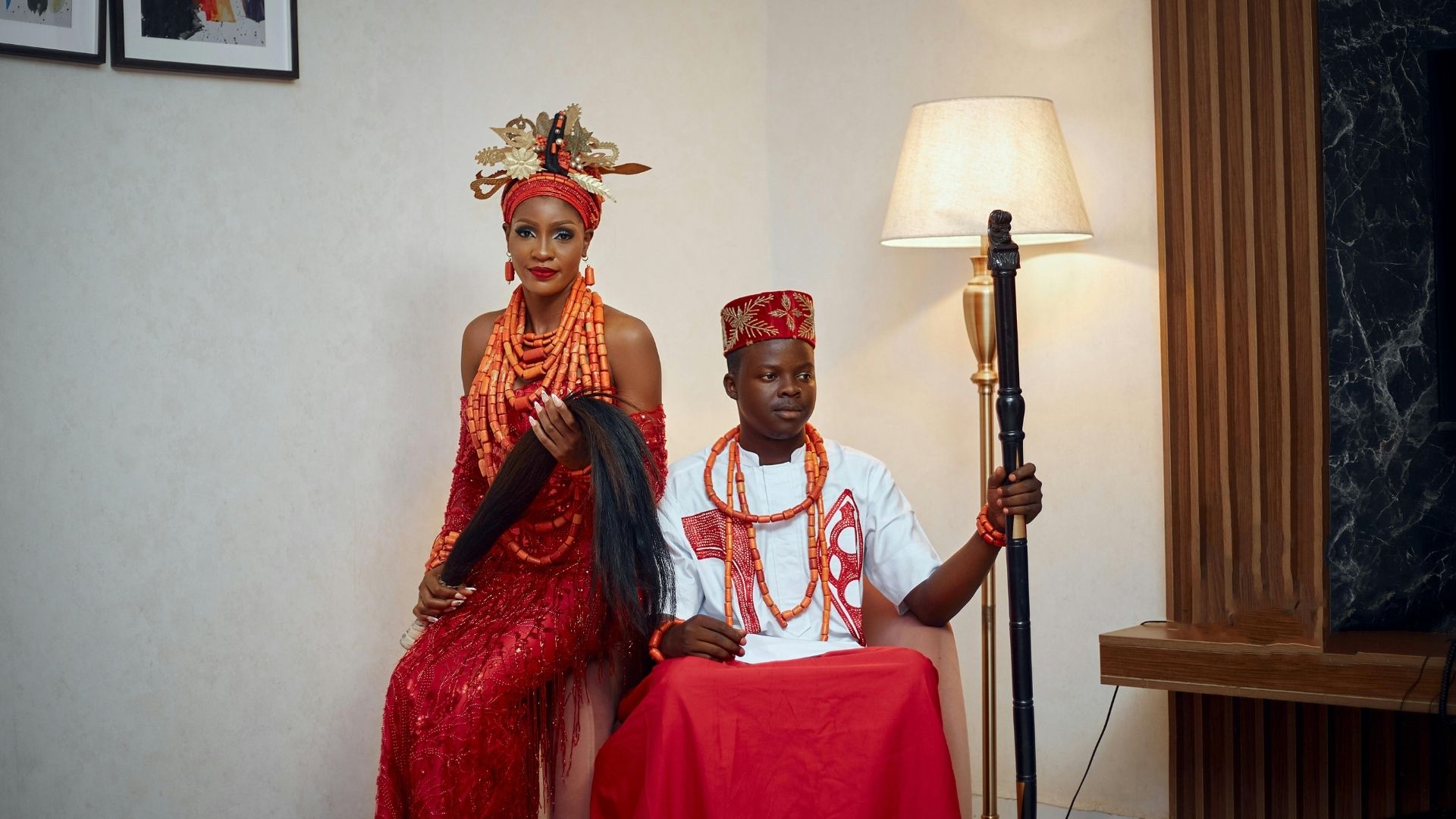
Planning a Nigerian wedding is a beautiful roller coaster of culture, emotion, family expectations, and vibrant traditions. Whether you’re having a modern ceremony, a lavish traditional Nigerian wedding, or a blend of both, the journey is nothing short of unforgettable. But it can also feel overwhelming. With multiple events, endless vendors, cultural rites, and extended family involvement, knowing where to start can be confusing.
That’s where the ultimate Nigerian wedding checklist comes in. This guide gives you a clear and practical roadmap so that even with all the moving parts, you remain organized and confident. You’ll understand what decisions matter, when to make them, and how to stay true to your culture while still creating a wedding that reflects your personal style.
The Complete Nigerian Wedding Checklist
Whether you’re planning from inside Nigeria or abroad, you deserve a smooth wedding planning experience. This article walks you through everything from budgeting to attire, vendors, guest management, traditional rites, and the tiny details often overlooked until the last minute. Think of it as your personalized blueprint for wedding planning in Nigeria, designed to reduce stress and increase joy.
Start With the Vision
The first step in any Nigerian wedding checklist is deciding what you truly want. Weddings in Nigeria often involve multiple families, cultural expectations, and community participation, so having a clear vision helps you stay grounded throughout the process. Establishing your vision early makes wedding planning in Nigeria smoother, ensuring that your preferences are respected amid traditional obligations and family input.
Decide the Type of Wedding
Ask yourself what you’re planning.
- A traditional Nigerian wedding
- A civil or court wedding
- A white wedding
- Or a blend of all
Your vision determines your budget, timeline, and logistics. For example, a Yoruba engagement is culturally different from an Igbo wine-carrying ceremony, which is again different from a Hausa Kamun Amarya celebration. Clarifying the type of wedding early is essential in your Nigerian wedding checklist and ensures every step of your wedding planning in Nigeria aligns with cultural and legal expectations.
Choose Your Wedding Theme
Think about colours, style, and overall atmosphere. Do you want something luxurious, minimalist, cultural, modern, vintage, garden-inspired, or strictly traditional? Choosing a theme early ensures that your decor, attire, invitations, and venue all align cohesively. Including your theme in your Nigerian wedding checklist helps vendors, planners, and family members visualize your ideal day, making wedding planning in Nigeria more organized and efficient.
Set Your Priorities
Decide what matters most to you and your partner. Is it photography, decor, food, traditional attire, music, or guest experience? Setting clear priorities ensures that your budget, time, and energy are spent on the elements that truly matter. Documenting these priorities in your Nigerian wedding checklist keeps your team aligned and prevents unnecessary stress during wedding planning in Nigeria.
Create a Realistic Budget
Wedding planning in Nigeria requires a detailed financial plan because prices vary widely by city and vendor quality. Lagos, Abuja, and Port Harcourt weddings are typically more expensive due to demand.
Budget Categories to Consider
- Venue
- Catering
- Photography and videography
- Makeup and hairstyling
- Wedding attire
- Asoebi styling and distribution
- Traditional ceremony requirements
- MC/DJ/live band
- Decoration
- Logistics and transportation
- Bridal shower, bachelor/bachelorette events
- Gifts, souvenirs, and packaging
Money-Saving Tips
Saving money while planning your wedding is possible with careful strategies. Including these tips in your Nigerian wedding checklist ensures that your budget stretches further without compromising on quality, making wedding planning in Nigeria more manageable and stress-free.
- Book vendors early to avoid peak-season price hikes. Early bookings often come with discounts and secure your preferred photographers, caterers, and entertainers.
- Use one venue for both the ceremony and the reception if possible. This reduces transportation costs, simplifies logistics, and keeps your day running smoothly.
- Keep your guest list tight. A smaller guest list lowers catering, seating, and accommodation expenses, helping you allocate funds to what matters most.
- Rent instead of buying certain items like décor pieces, linens, or props. Renting saves money and reduces the stress of storing or reselling items after the wedding.
These practical money-saving strategies are essential for any couple following a Nigerian wedding checklist, helping you enjoy your celebration while staying within budget during wedding planning in Nigeria.
Build Your Wedding Planning Team
You don’t have to do it alone. Your Nigerian wedding checklist is easier to manage with support.
Who You May Need
- Wedding planner or day-of coordinator
- Family representatives
- Bridal party
- Asoebi manager
- Vendor manager
- Photographer/videographer
- Decorator
- Caterer
- DJ/Live band
Even if you can’t hire a full planner, getting someone to coordinate vendors on the wedding day is essential.
Choose and Book Your Venues Early
Venues get booked fast, especially in Lagos and Abuja. Book as early as possible—some halls have waiting lists months ahead.
What to Look For
- Capacity (always plan for more guests than expected)
- Parking space
- Power supply and backup
- Accessibility
- Changing rooms
- Vendor-friendly policies
- Lighting and ventilation
Consider Separate Venues
You can use different venues for:
- Traditional wedding
- Court wedding
- White wedding
- Reception
- Or choose a multipurpose venue to simplify logistics.
Prepare for the Traditional Nigerian Wedding
No matter your tribe, the traditional ceremony is often the heart of the celebration.
Yoruba Traditional Wedding Requirements
The Yoruba traditional wedding, or idanna, must have all of the following:
- Aso oke outfits
- Alaga ijoko and Alaga iduro
- Engagement items (ori, honey, sugar, bitter kola, yams, gifts for family, etc.)
- Introduction ceremony
- Cultural rituals and prayers
Igbo Traditional Wedding Requirements
The Igbo traditional wedding or wine carrying has the following parts
- Introduction (Iku Aka or Iju Ese)
- Wine-carrying list
- George wrapper and coral beads
- Items for the bride’s family (depending on region)
- Presentation of gifts and kola nut rituals
Hausa Traditional Wedding Elements
The Hausa traditional wedding comprises:
- Kai Amarya, Kamu, Fatihah
- Bride price (Sadaki)
- Henna ceremony (Lalle)
- Traditional food and cultural rites
Your Nigerian wedding checklist should include specific cultural requirements because they differ by community.
Select Your Vendors
Good vendors make a huge difference.
Key Vendors to Book Early
- Makeup artist (MUAs get booked fast)
- Photographer and videographer
- Caterer and small chops vendor
- Decorator
- DJ or live band
- MC
- Lighting and stage designer
- Security team
- Cake maker
Vendor Tips
- Always check previous work
- Get written agreements
- Avoid last-minute bookings
- Ask for referrals from trusted friends
Asoebi Planning
This is one of the most complex parts of a Nigerian wedding checklist.
Steps
- Choose your asoebi colours
- Pick fabrics that your guests can afford
- Assign an asoebi manager
- Decide pickup and delivery locations
- Plan the asoebi for the bridal party separately from the guests
- Budget for gele artists on the wedding day
If not handled well, asoebi can bring unnecessary stress, so plan early.
Wedding Attire
Nigerian weddings are known for stunning fashion.

For the Traditional Wedding
Expect to choose two or three outfits for both the bride and the groom. Examples:
- Yoruba – aso oke, lace, damask
- Igbo – George wrappers, isi agu, beads
- Hausa – kaftan, babban riga, veils
For the White Wedding
- Bridal dress
- Reception dress
- Groom’s suit
- Bridesmaids dresses
- Groomsmen outfits
- Accessories, shoes, and jewelry
Guest List and Invitations
Nigeria is a community-oriented society. Expect more guests than planned.
Guest List Tips
- Categorize guests into A-list, B-list, C-list
- Keep track of RSVPs
- Expect the family to invite others
Invitations
Choose digital invites or printed cards. Include:
- Date
- Venue
- Dress code
- Hashtag
- Colour code
- Access instructions
Food, Drinks, and Catering
Nigerians rate weddings based on food.
Include in Your Checklist
- Jollof rice, fried rice, native meals
- Small chops
- Drinks (alcoholic and non-alcoholic)
- Dessert table
- Servers and ushers
- Buffet setup vs À la carte
Tips
- Taste the food before booking
- Avoid vendors with inconsistent reviews
Photography and Videography
Your memories matter.
Checklist
- Pre-wedding shoot
- Traditional wedding coverage
- White wedding coverage
- Album photobook
- Highlight video
- Full documentary video
- Drone shots
- Same-day edit (optional)
Invest in quality because after the wedding, your photos and videos are all you’ll keep.

Decorations
From floral arrangements to walkway setups, décor sets the mood.
Consider
- Stage design
- Aisle décor
- Table settings
- Centrepieces
- Lighting effects
- Backdrops for photos
- Colour harmony
Music and Entertainment
Good music keeps the energy alive.
Options
- DJ
- Live band
- Saxophonist
- Cultural dancers
- MC
- Hypeman
Choose entertainment that matches your personality and culture.
Logistics and Coordination
This ensures things run smoothly.
Include
- Transportation for the bride, groom, and family
- Vendor arrival times
- Wedding day timeline
- Ushers
- Crowd control
- Security
- Gift collection and safety
- Emergency kit (needle, thread, wipes, glue, pins, etc.)
Souvenirs
Souvenirs are a beloved Nigerian wedding tradition.
Popular Options
- Tote bags
- Notebooks
- Cups
- Shawls
- Water bottles
- Fans
- Ankara gifts
- Customized items
The Final Week Checklist
- Confirm all vendors
- Do final dress fittings
- Pack engagement items
- Pay outstanding balances
- Rehearse your vows
- Confirm transportation
- Prepare your playlist
- Print your program
- Have your emergency kit ready
- Get enough rest

Court Wedding Checklist in Nigeria
A court wedding in Nigeria is the legal process that makes your marriage official in the eyes of the law. Many couples combine it with traditional ceremonies for a complete celebration. This Nigerian wedding checklist covers the steps, requirements, costs, and tips to make the process smooth as part of your wedding planning in Nigeria.
1. Decide on the Court
- Choose a Marriage Registry close to your residence or convenient for both parties.
- Examples include Magistrate Courts, State Marriage Registries, or Local Government Offices.
- Some states allow online pre-registration—check your local registry’s website.
2. Meet Eligibility Requirements
Before applying, ensure you meet the legal requirements:
- Both parties must be at least 18 years old.
- Must not be currently married to someone else.
- Must provide valid identification (National ID, Passport, or Driver’s License).
- Must have two witnesses, usually over 18 years old.
3. Obtain and Complete Application Forms
Marriage Banns is an official notice of your intent to marry:
- Visit your local Marriage Registry to fill out a Notice of Marriage form.
- Submit identification, birth certificates, and passport photos.
- Pay a small processing fee depending on the state.
4. Gather Required Documents
You will need:
- Birth certificates or sworn affidavits of age
- Valid IDs (National ID, Passport, or Driver’s License)
- Passport-sized photographs
- Divorce certificate or death certificate of previous spouse (if applicable)
- Parental consent (for applicants under 21 in some states)
- Two witnesses’ IDs and photos
5. Pay Applicable Fees
Court marriage costs vary by state, but typically include:
- Application fee: ₦5,000 – ₦10,000
- Marriage ceremony fee: ₦15,000 – ₦30,000
- Optional certified copies of the marriage certificate: ₦1,000 – ₦5,000 per copy
Fees differ by state; confirm at your local registry.
6. Schedule the Court Wedding
- Book a wedding date with the registry.
- Some registries allow same-day weddings; others may require a waiting period of 7 to 30 days.
- Confirm witness availability for the scheduled date.
7. Attend Pre-Marriage Counseling (Optional)
- Some states provide briefing or counseling on legal rights, responsibilities, and marriage laws.
- This is especially recommended for first-time couples.
8. Conduct the Ceremony
- On the wedding day, arrive at the registry with your documents, witnesses, and ID.
- The marriage officer will confirm details, administer the declaration, and have you sign the marriage register.
- Witnesses will also sign the register to validate the ceremony.
9. Obtain the Marriage Certificate
- After the ceremony, you receive a certificate of marriage, which serves as the official proof of your union.
- You may request additional certified copies for banks, property, or immigration purposes.
- Keep the certificate safe; it is required for any legal or official process post-marriage.
10. Optional Additions
- Some couples combine court weddings with traditional or church ceremonies.
- You can also have a photo session at the registry for memories.
- Ensure your Hausa wedding checklist, Yoruba wedding checklist, or other cultural plans align with the registry process if doing multiple ceremonies.
Your Nigerian wedding checklist is more than a series of tasks; it’s a guide for celebrating your love, honouring your culture, and creating a day you will always remember. Whether you’re having a modern event or a rich traditional Nigerian wedding, planning with intention helps reduce stress and increases the beauty of the journey.
Wedding planning in Nigeria can get intense, but it becomes easier when you move step by step, stay organized, and surround yourself with the right people. At the end of the day, the most important thing is that the celebration reflects your joy, story, and shared future.
Till I come your way again, don’t forget to subscribe to Doyin’s Honest Notes and enjoy a drop of honey for your day…
Originally published by HoneyDrops Blog.