

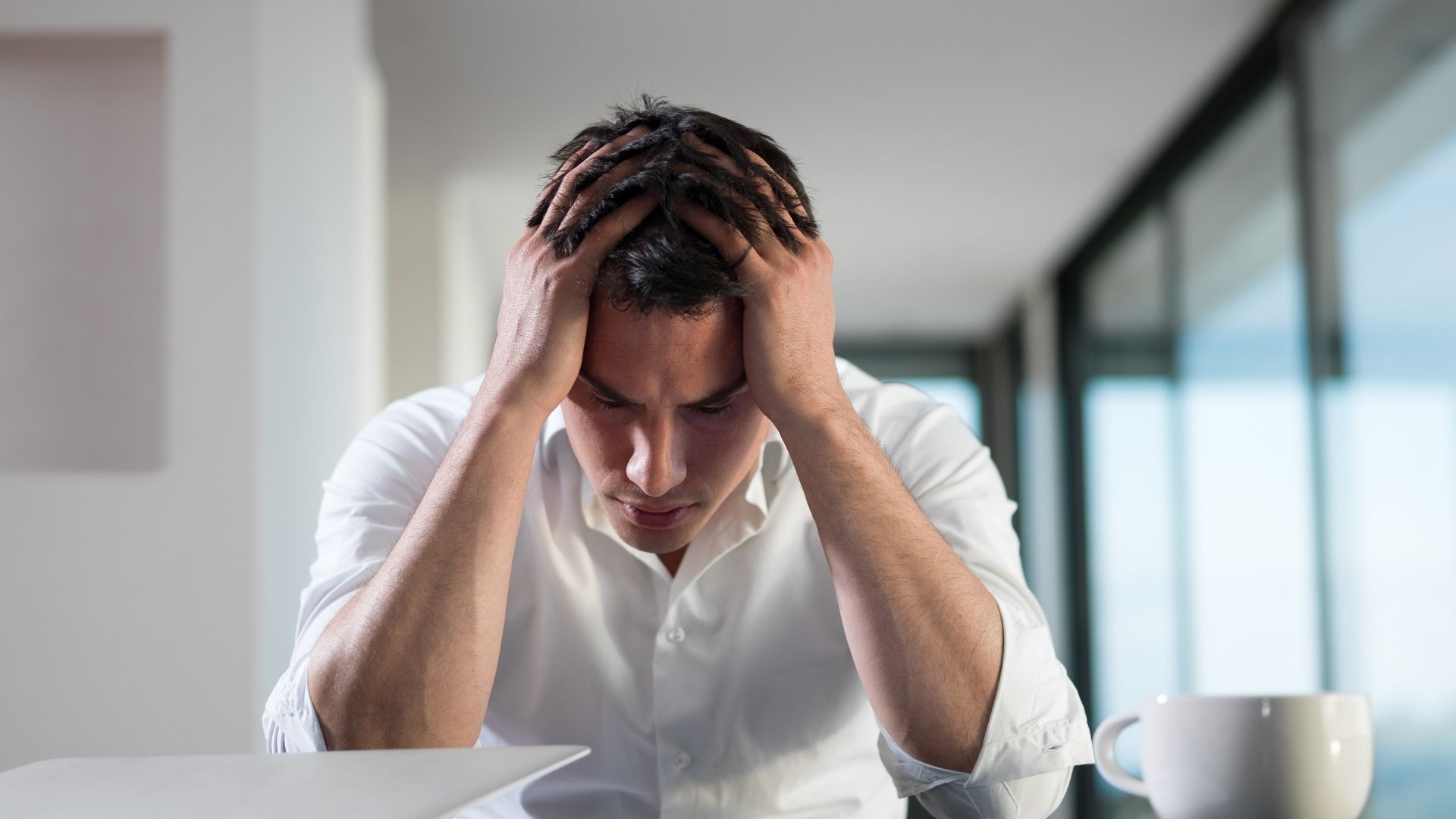
Rejection is difficult for everyone, but why can’t men deal with rejection? The truth is, men across many cultures often respond to it with significantly more intense emotions and reactions. These reactions can range from subtle withdrawal to full-blown outbursts of anger, entitlement, or aggression. Many societies raise boys with expectations that they must always win, achieve, conquer, or be validated. So when rejection comes, it can feel like an attack on their identity, not just their feelings. This makes men and rejection an important topic for understanding personal behavior and social conditioning.
Male rejection issues are not only emotional; they are also cultural, psychological, and relational. In many environments, men grow up with fewer emotional outlets, fewer safe spaces to express vulnerability, and fewer tools for navigating disappointment. The result is a combination of shame, confusion, and pressure that often shows up in unhealthy ways. When a man is rejected by a woman—romantically or otherwise—he may perceive the rejection as a challenge to his masculinity or value. These internalized beliefs increase the intensity of his emotional response.
At the same time, rejection can trigger men’s deepest insecurities, often rooted in childhood experiences, unresolved trauma, or social messages equating male worth with dominance. Understanding why men struggle with rejection and how it leads to different reactions helps us unpack the broader issue. Below, we break this into two sections: the reasons men struggle with rejection, and the reactions men often exhibit.
Why Can’t Men Deal With Rejection?
1. Social Conditioning and Masculinity Pressures
From a young age, boys are often socialized to embody traits like strength, stoicism, assertiveness, and success. These rigid societal expectations create a framework where failure—or in this case, rejection—is not merely disappointing but perceived as a personal flaw or inadequacy. Understanding why men can’t handle rejection requires recognizing that these pressures leave little room for emotional vulnerability. For example, boys are frequently discouraged from crying, expressing hurt, or admitting fear. Over time, this lack of emotional literacy makes navigating male rejection issues extremely difficult. When faced with romantic rejection, men may feel exposed, inadequate, or ashamed because society has conditioned them to suppress feelings rather than process them.
2. Fragile Ego Development
Many men build their sense of self around external accomplishments—landing the job, earning praise, or winning romantic attention. This identity structure creates a fragile ego, which is why men and rejection often intersect with intense emotional turmoil. Rejection, especially in romantic contexts, can puncture this self-image abruptly, triggering feelings of humiliation rather than simple disappointment. Men who rely heavily on validation, particularly from women, may see rejection as a personal failure rather than a natural part of human interaction. This fragile self-esteem underpins male rejection issues, making it harder for them to accept rejection gracefully or move forward without lingering resentment.
3. Entitlement and Gendered Scripts
Some men grow up internalizing the idea that they “deserve” a woman’s affection simply because they pursued her, invested time, or embody stereotypical masculine traits. This belief feeds directly into why men can’t handle rejection, as it frames romantic refusal as an injustice rather than a mutual decision. Even well-intentioned men may silently think, “If I like her and treat her well, she should like me back.” When reality doesn’t align with this expectation, their emotional stability is disrupted. Such entitlement often exacerbates male rejection issues, leading to anger, frustration, or subtle resentment that complicates healthy relational dynamics.

4. Fear of Vulnerability
Rejection inherently exposes emotional vulnerability—a concept many men are taught to avoid. Societal messaging equates vulnerability with weakness, which is why men and rejection often trigger defensive behaviors like anger, denial, or withdrawal. Rather than sit with the discomfort of being rejected, some men attempt to overpower their emotions through aggression or emotional distancing. This avoidance reinforces male rejection issues, as the underlying feelings remain unresolved. Over time, the fear of vulnerability compounds, creating patterns where men struggle to process any form of emotional loss or romantic disappointment effectively.
5. Lack of Emotional Education
Unlike women, who are often socialized to navigate feelings, interpersonal conflicts, and emotional intimacy, men frequently lack the tools to process complex emotions. This gap in emotional education explains a significant portion of why men can’t handle rejection. Without healthy coping skills, rejection feels unmanageable, and common responses include silence, withdrawal, or aggression. Over time, these maladaptive patterns reinforce male rejection issues, making future experiences of rejection increasingly difficult to endure. Emotional education, self-reflection, and supportive mentorship are crucial to helping men navigate these challenges constructively.
6. Past Trauma and Abandonment Wounds
Many men carry unresolved emotional scars from childhood, such as parental absence, neglect, or early romantic heartbreak. Romantic rejection often triggers these old wounds, magnifying the pain and confusion. This connection between past trauma and present experiences explains why men and rejection can feel overwhelming or even disproportionate. When childhood experiences of rejection were never processed, a simple romantic refusal may reawaken feelings of abandonment, inadequacy, or fear of loss. Recognizing this pattern is key to understanding male rejection issues, as it highlights the role of cumulative emotional experiences in shaping adult reactions.
7. Identity Tied to Sexual or Romantic Success
In many social environments, a man’s perceived value is closely linked to his success with women. Being able to “get a girl” is often tied to status, confidence, and social standing. Consequently, rejection does not only feel personal. Iit feels public, threatening both self-esteem and peer perception. This connection explains a major reason why men can’t handle rejection: failure in romantic pursuits is interpreted as a failure in identity and social positioning. Such pressures contribute to male rejection issues, intensifying emotional reactions, social anxiety, and even risky or defensive behaviors in response to perceived rejection.
How Some Men React to Rejection (Unhealthy Reactions)
These reactions vary in severity, but they are harmful, dangerous, and rooted in dysfunctional coping patterns.
1. Ego Outbursts
Instead of admitting hurt, some men respond with insults, loud arguments, or dismissive comments. Statements like “You were never that pretty anyway” are defense mechanisms to protect their ego.
2. Name Calling, Slut-Shaming, and Verbal Abuse
A rejected man may attempt to punish the woman emotionally by attacking her character, sexuality, intelligence, or appearance.
This often shows up on social media, in DMs, or during in-person confrontations.
3. Stalking and Obsessive Behavior
Some men obsessively call, text, or follow the woman online. In severe cases, they emotionally manipulate her to reconsider the rejection.
This behavior is dangerous and often rooted in entitlement.

4. Gender-Based Violence
Around the world, rejection is one of the most common triggers for violence against women. This includes assault, threats, and physical intimidation.
The man feels his power threatened and tries to reclaim it through force.
5. Sexual Harassment and Coercion
Some rejected men escalate to coercive behaviors—showing up uninvited, threatening self-harm, or using pressure to force contact.
This is not love; it is control.
6. Online Harassment
Men may create fake accounts, leave hateful comments, or attempt to publicly humiliate the woman.
This is often done to regain a sense of dominance.
7. Emotional Manipulation
Some men use guilt-tripping, self-pity, or emotional blackmail to force the woman to reconsider.
Examples include:
- “You’re heartless.”
- “You led me on.”
- “I’ll hurt myself if you leave.”
8. Social Smear Campaigns
In some communities, men who feel rejected spread false stories or rumors to damage the woman’s reputation.
This is a form of social violence.
9. Assault and Physical Retaliation
In extreme cases, rejection triggers physical violence, sometimes fatal.
There are global cases of men harming or killing women simply for saying “no.”
10. Honor Killings (Extreme Contexts)
In certain parts of the world, male family members commit honor killings because a woman’s rejection or marriage choice is considered a shame to the family.
Though extreme, it reflects how deeply patriarchal systems tie male identity to control over women.
How Men Can Learn to Handle Rejection Better
Handling rejection is a challenge for many men, and understanding why men can’t handle rejection is the first step toward growth. Rejection touches not just the ego but also self-perception, social identity, and emotional security. By addressing the root causes of male rejection issues, men can transform moments of disappointment into opportunities for self-awareness and resilience. Below are key strategies to help men respond with maturity and composure in situations where men and rejection intersect.
1. Emotional Literacy Training
Learning to name, understand, and process emotions is one of the most powerful tools for handling rejection. Emotional literacy involves recognizing feelings like disappointment, hurt, or frustration and identifying their root causes instead of letting them manifest as anger or resentment. For example, instead of lashing out or withdrawing when someone says “no,” a man practicing emotional literacy might pause, reflect, and acknowledge, “I feel hurt because I wanted this connection, but I understand it’s not mutual.” Journaling emotions, using mood trackers, or even discussing feelings with trusted friends are practical ways to enhance emotional awareness. Over time, this helps men respond thoughtfully instead of reacting impulsively, preventing unnecessary conflict or self-sabotage.

2. Therapy and Healing Attachment Wounds
Professional therapy provides a safe space for men to explore unresolved issues from the past, which often contribute to male rejection issues. Childhood attachment patterns, past betrayals, or early experiences of inadequacy can make rejection feel like a personal failure rather than a natural part of life. Therapy helps men confront these wounds, develop healthier relational patterns, and recognize triggers when men and rejection arise. By addressing underlying trauma, men gain emotional resilience and reduce reactive behaviors such as anger, withdrawal, or defensiveness.
3. Building Self-Worth Beyond Romance
Many men tie self-esteem heavily to romantic success, which exacerbates male rejection issues. Learning to cultivate value outside of romantic interactions can transform how men handle rejection. Investing in friendships, personal hobbies, career growth, fitness, and creative pursuits helps men build a more stable sense of self. When men and rejection occur, these men are less likely to spiral into self-blame or aggression because their identity is not wholly dependent on romantic validation. Understanding why men can’t handle rejection often starts with seeing self-worth as multi-dimensional.
4. Challenging Entitlement
A major reason men and rejection clash is a sense of entitlement—that affection, attention, or romantic interest is owed. Challenging this belief helps men confront why men can’t handle rejection gracefully. Recognizing that no one owes emotional reciprocity allows men to accept “no” without hostility, resentment, or attempts to coerce compliance. Self-reflection, reading on gender dynamics, and listening to partner perspectives can help reshape attitudes and reduce male rejection issues by fostering respect and empathy in relationships.
5. Cultivating Vulnerability
Embracing vulnerability as a strength is key to navigating male rejection issues. Many men avoid expressing emotions openly due to socialized notions of toughness, which worsens difficulties when men and rejection collide. Practicing vulnerability—through honest conversations, journaling, or expressing needs—enables men to process rejection without defensive behaviors. Recognizing why men can’t handle rejection often involves reframing vulnerability as courage, not weakness, leading to healthier relationships and more mature emotional responses.
6. Developing Healthy Coping Mechanisms
Healthy coping strategies are essential for men learning to manage male rejection issues. Activities like meditation, deep breathing, journaling, exercising, talking with supportive friends, or setting clear personal boundaries equip men to respond rather than react. When men and rejection occur, these strategies prevent escalation into anger, self-sabotage, or withdrawal. Understanding why men can’t handle rejection often comes from practicing these methods consistently, so emotional regulation becomes second nature over time.
Understanding why men struggle with rejection involves looking at culture, psychology, masculinity, and emotional gaps. Men and rejection become a dangerous mix when unprocessed pain and entitlement collide. While the reasons men can’t handle rejection are often rooted in societal conditioning and emotional barriers, their reactions can range from unhealthy to violent. The goal is not to demonize men but to highlight the urgent need for emotional education, healthy masculinity, and safer social environments for women. When men learn to handle rejection with maturity, communication, and self-awareness, relationships become healthier, and society becomes safer.
Till I come your way again, don’t forget to subscribe to Doyin’s Honest Notes and enjoy a drop of honey for your day…
Originally published by HoneyDrops Blog.