

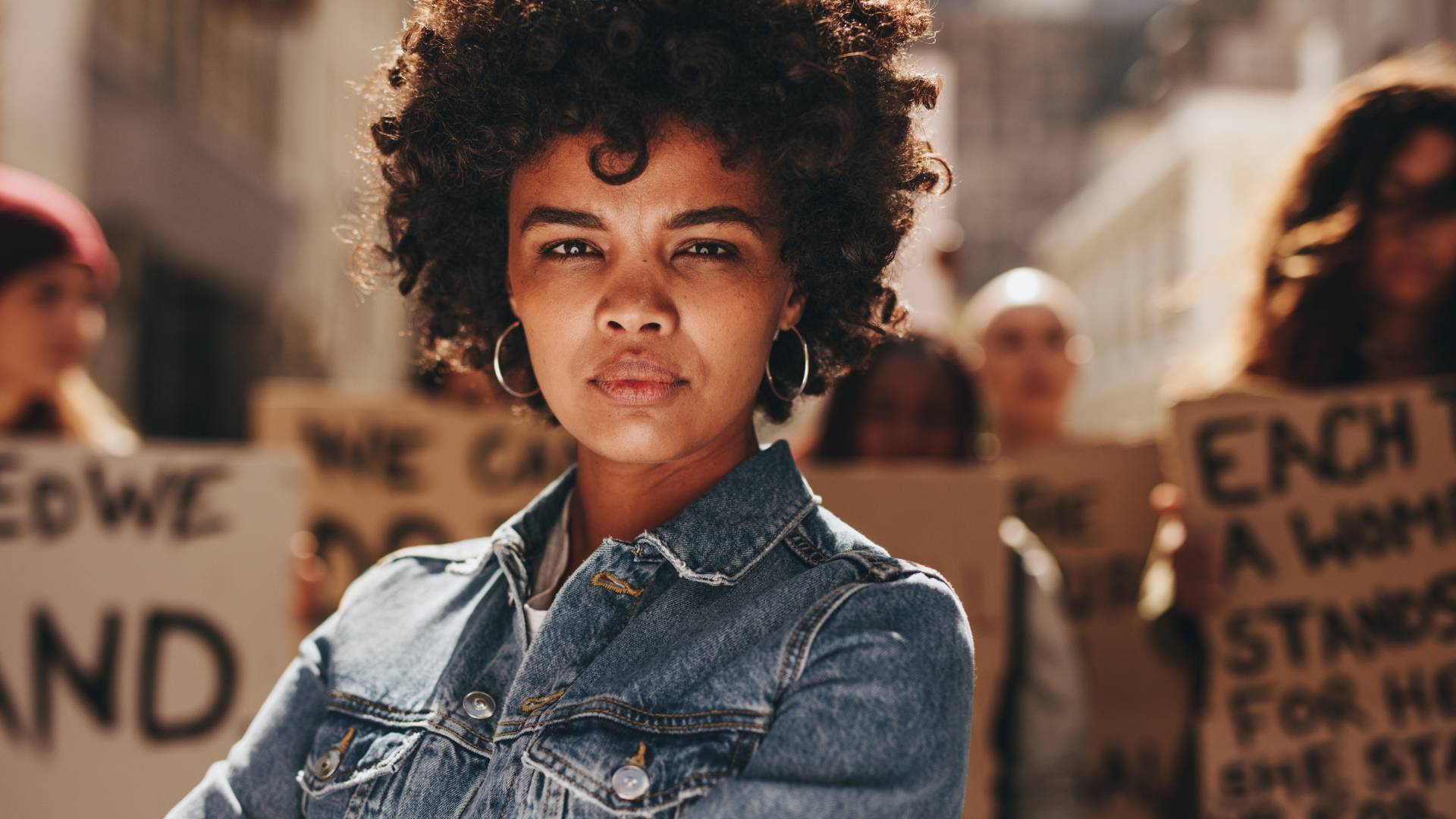
Traditional power structures feel stuck, don’t they? Meanwhile, youth activists aren’t just squeezing into old roles. Youth activists are redefining civic leadership by throwing out the blueprint and building something new. They want real transparency, intersectionality, and lightning-fast digital organizing. All over the world, you can feel the shift. These young leaders move past protest, straight into writing policy themselves. The youth activists redefining civic leadership aren’t waiting for approval. They’re already leading, reshaping civic life from the ground up.
Their energy changes everything. Communities organize differently now, holding leaders accountable in ways that didn’t seem possible before. Social media? It’s not just for memes. It’s a weapon for global solidarity, pushing civic leadership beyond the usual small circles. Now, leadership means grassroots empowerment. Every voice matters. The old systems, with their closed doors and rigid hierarchies, look outdated next to this kind of momentum. Watch closely, and you see it: youth activists aren’t a passing trend. They’re the new foundation. Just look at the new laws, the culture shifts, the conversations that feel different. Youth activists haven’t just joined the conversation. They’ve changed the subject entirely.
The Evolution of Influence and The New Pillars of Leadership
To further illustrate how youth activists are fundamentally shifting the landscape, we must examine the specific areas where the old ways are being dismantled. The process of youth activists redefining civic leadership isn’t just about age; it’s about a total departure from “business as usual.” By looking at this expanded table, you can see exactly how the influence of youth activists is making civic leadership more agile, more authentic, and far more effective in the digital age.
| Traditional Leadership | Youth Activists Redefining Civic Leadership | Impact |
| Top-down hierarchy | Horizontal and collaborative networks | Faster decision-making and wider inclusion. |
| Bureaucratic pace | Real-time digital mobilization | Immediate response to urgent social injustices. |
| Experience-based authority | Empathy and lived-experience authority | Policies that reflect real-world human needs. |
| Closed-door meetings | Radical transparency and live-streaming | High public trust and instant accountability. |
| Partisan gatekeeping | Issue-based, cross-platform coalitions | Solutions that transcend old political divides. |
| Career-driven motives | Purpose-driven, grassroots authenticity | A focus on long-term systemic change over votes. |
| Polished PR campaigns | Raw, relatable, and viral storytelling | Capturing global attention without million-dollar budgets. |
| Formal education barriers | Knowledge sharing via “Digital Democracies” | Empowering marginalized voices to lead without “pedigree.” |
10 Global Youth Activists Redefining Civic Leadership
To really grasp what’s happening in the world right now, you have to pay attention to the people pushing for change—especially young activists. They’re not just speaking out; they’re driving the engine of big social movements. Every one of these young leaders has shifted the conversation on global issues, showing that the best civic leadership is bold, unapologetically inclusive, and relentless.

Vanessa Nakate (Uganda) – Climate Justice
Vanessa Nakate stands out for spotlighting where climate change and racial justice collide. She founded the Rise Up Movement, forcing the world to confront how African nations bear the brunt of a crisis they didn’t create. Vanessa doesn’t let the voices of the Global South get erased from the climate story. She makes sure that international summits can’t ignore the human toll of environmental neglect.
Xiye Bastida (Mexico/USA) – Indigenous Climate Wisdom
Xiye Bastida leads Fridays for Future with a different perspective. She puts indigenous philosophy at the center of environmental policy. She champions the “Seven Generations” principle, reminding everyone that today’s choices reach far into the future. Xiye’s real strength is connecting ancient indigenous wisdom with modern climate science.
Melati Wijsen (Indonesia) – Environmental Policy
Melati Wijsen got her start at twelve, co-founding Bye Bye Plastic Bags and pushing Bali to ban single-use plastics. Her grassroots activism grew into Youthtopia, where she trains young people to become leaders themselves. She’s proof that starting small, right at home, can lead to real laws and lasting change.
Malala Yousafzai (Pakistan) – Education Rights
Malala’s story is known around the world. She turned her own tragedy into a movement for girls’ education everywhere. With the Malala Fund, she’s reshaped education budgets and inspired a global fight for the right to learn. Malala’s leadership shows that even the worst violence can be answered with courage and the determination to educate.
Greta Thunberg (Sweden) – Global Climate Mobilization
Greta Thunberg sparked a worldwide youth movement with her School Strike for Climate. The “Greta Effect” is real. She called out world leaders with a blunt urgency that’s hard to ignore. Greta made climate change feel immediate and personal, not just another talking point for politicians.
David Hogg (USA) – Gun Control Advocacy
After surviving a school shooting, David Hogg didn’t step back; he stepped up, becoming a leading voice in March for Our Lives. He’s all about turning young people into active voters and using legislative pressure to tackle gun violence. David’s relentless presence in the media proves that youth can take on powerful lobbies and move the needle.
Helena Gualinga (Ecuador) – Amazonian Protection
Helena Gualinga speaks for the Sarayaku community and the Amazon itself. She takes the fight against oil companies and deforestation right to global forums like the UN. Helena ties Indigenous land rights directly to the survival of the planet, making it clear that protecting forests is about both human rights and climate action.
Autumn Peltier (Canada) – Water Sovereignty
Autumn Peltier has been a “Water Warrior” since she was a child. As Chief Water Commissioner for the Anishinabek Nation, she holds the Canadian government to account for failing First Nations communities. Autumn makes water rights a cornerstone of what it means to lead in North America.
Ayakha Melithafa (South Africa) – Rural Climate Advocacy
Ayakha Melithafa zeroes in on how climate change hits rural communities, especially when it comes to farming and water. She makes sure that the voices of the marginalized in the Eastern Cape reach national policy-makers. Ayakha was among sixteen children who took their fight to the UN, demanding action on the climate crisis.
Isra Hirsi (USA) – Intersectional Environmentalism
Isra Hirsi, co-founder of the U.S. Youth Climate Strike, doesn’t just talk about environmentalism; she fights to tie it directly to social justice. She puts the spotlight on how climate change hits communities of color the hardest. In doing so, she’s pushing civic leadership to be less about single issues and more about real intersectionality. You see it in the way she links arms with other movements, making sure the push for a cleaner planet is bound up with the fight for racial and economic justice.

How To Become A Global Youth Activist
Becoming a global youth activist in 2026 isn’t about waving a cardboard sign anymore. It’s about digital diplomacy, understanding policy, and building sharp networks. If you want to stand out as a new kind of civic leader, you have to shift from just caring about issues to actively shaping solutions.
Here’s a real roadmap to making an impact across borders.
Find Your “Core Anchor”
Global activism covers a lot of ground, and trying to tackle everything just leads to exhaustion. Focus on where your passion directly meets a real global need. Dig deeper with Root Cause Analysis. Picture the “Root Cause Tree”. The problem is the leaves. The systems holding it up are the trunk, and the roots run deep into histories of injustice. Connect your cause to something bigger. Link your work to the United Nations 2030 Agenda for Sustainable Development, the SDGs. Whether you’re pushing for Gender Equality (SDG 5) or fighting for Climate Action (SDG 13), framing your efforts inside these global goals makes it easier to find allies across the world.
Build Your Civic Leadership Toolkit
Being effective takes more than energy. You need skills that go way beyond typical leadership. Get policy literate. You don’t need a law degree, but you do need to know how laws are made and why timing matters. Study the “Policy Window” theory. Spot the exact moment when the right solution and political will come together. That’s when real change happens. Go digital, but with purpose. Social media isn’t just a megaphone for “likes.” Use it to organize, coordinate, and engage responsibly.
Learn how to spot misinformation, keep your digital activism ethical, and get past digital gatekeepers. Tell stories that move people. Focus on the “Hero vs. Victim” narrative. Don’t beg for pity. Empower. Highlight stories where people actively drive change.
Join Global Training Cohorts
Don’t start from scratch. Learn from the best. Plenty of respected organizations train and mentor youth activists. Look at the Theirworld Global Youth Ambassador Programme if you care about education (they usually open applications in January). Check out UNICEF UNV Youth Advocates for a one-year crash course in international children’s rights. Interested in the climate? The Global Youth Climate Training, sometimes in partnership with Oxford, is all about climate negotiation and policy. If literacy is your focus, the World Literacy Foundation Ambassador Program offers a short, intense online training in advocacy and leadership.
Build a “Horizontal” Global Network
Forget about just climbing ladders. Today’s youth leaders build webs, not hierarchies. Start by listening. Meeting a new mentor or peer? Don’t open with an ask. Listen to their struggles. Figure out how you can help each other. Run small events. Set up five-person “digital dinners” or “reflection circles” on Zoom. Bring together people with totally different backgrounds to focus on one issue. These tight circles build trust in a way big webinars never will. Work across borders. Reach out to activists tackling the same problems in the Global South or North. When youth build coalitions that cross continents, it’s a lot harder for powerful institutions to ignore them.
Move from Participation to Implementation

At some point, you have to go from “having a seat at the table” to building the table yourself. Co-create, don’t just consult. Insist on being involved in shaping position statements and the actual tools for implementation. Think in systems. Your issue connects to others. If you’re focused on mental health, you’ll need links to education and justice networks too. Secure sustainable funding. Learn fundraising basics. If you want your movement to last, move past one-off pilot projects and build something with staying power. The world doesn’t need more spectators. It needs architects of change. So, get building.
By 2026, youth activism will have grown. What started as a burst of protests has turned into a lasting force in global politics. With these ten icons as proof, it’s clear: youth activists aren’t just making noise or trending online. They’re shaping actual policy, changing what gets debated in national halls of power. Their legacy? They’ve thrown open doors, sped up action, and made inclusion non-negotiable. They’ve managed to stitch together digital energy and real legislative wins. Civic leadership isn’t a private conversation anymore. It’s a messy, ongoing debate led by the people with the most to lose.
Looking ahead, youth activists aren’t just swapping out old leaders for new ones. They’re rewriting the rules about what leadership means in a world that’s more connected and more complicated than ever. This era has taught us that empathy, intersectionality, and speed matter more than tradition. Whether defending the Amazon, fighting for fair schools, or demanding climate action, these young people are building a sturdier democracy piece by piece. They won’t settle for vague promises about the future. They want change now, and the world is finally starting to pay attention.
Till I come your way again, don’t forget to subscribe to Doyin’s Honest Notes and enjoy a drop of honey for your day…
Originally published by HoneyDrops Blog.